
Programs & Splits · Beginner · 5 min read
Leg Day Workout: The Complete Guide
Leg day has a reputation for being brutal and optional. It is neither. Done right it is the most productive session of the week — and the one whose results show up everywhere, from the bar to how your jeans fit. Here is how to build one.
On this page
What a leg day trains
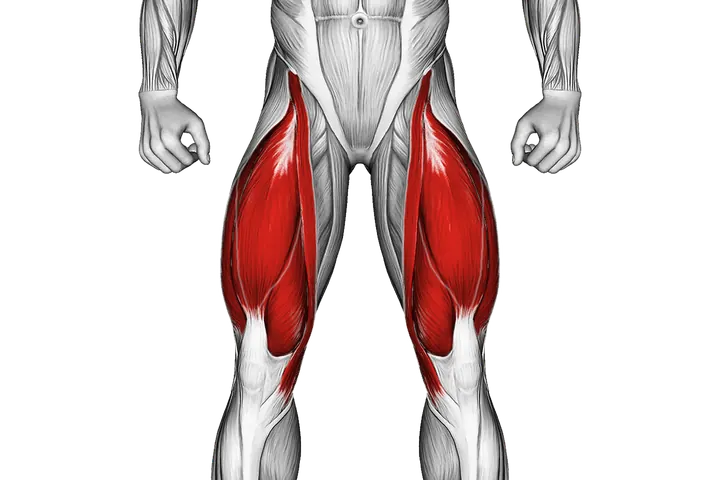
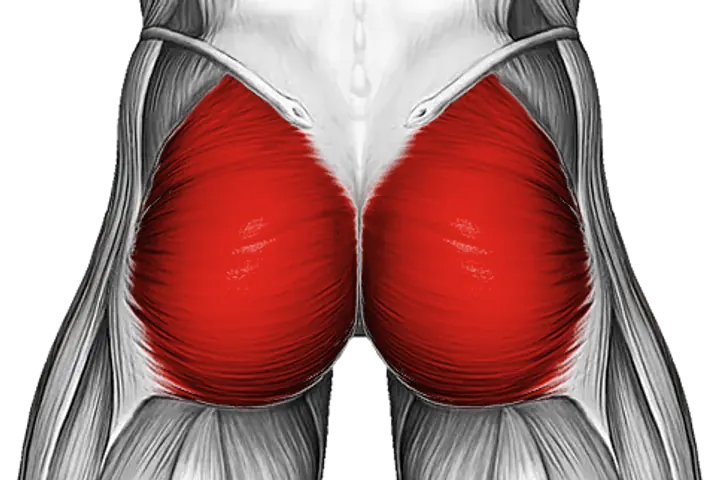
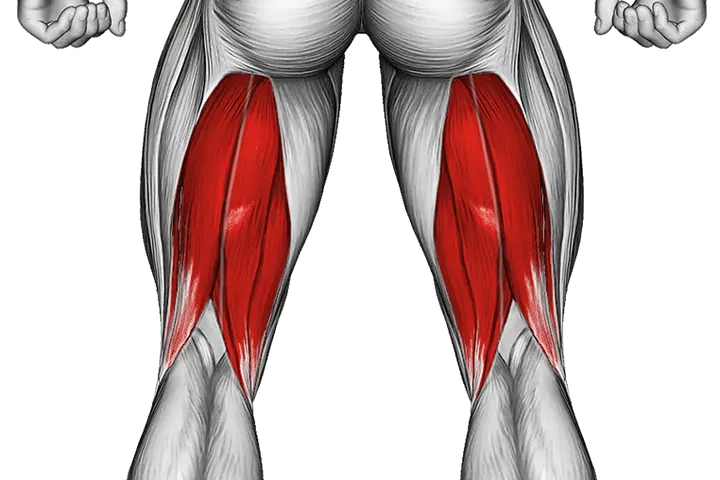
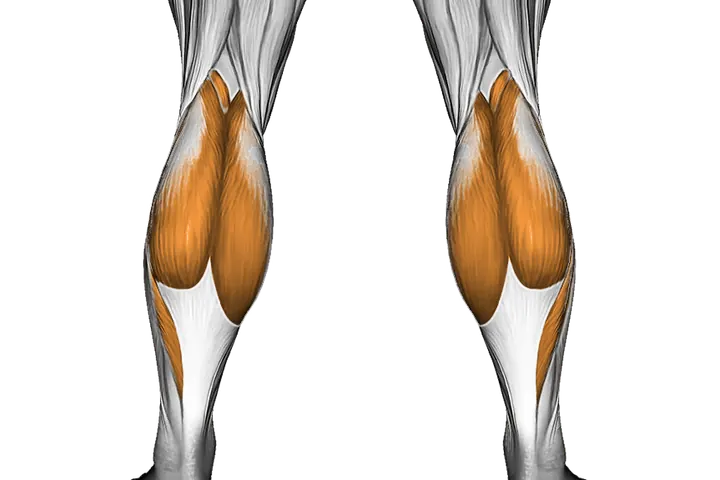
"Legs" is not one muscle. The quadriceps extend the knee, the glutes and hamstrings extend the hip, and the calves finish the chain. A session that only squats trains half the job; a session that does ten exercises trains it badly. The pattern-based approach covers everything without the bloat:
The best leg day exercises
Choose from each pattern and rotate variations across weeks rather than doing them all at once.
- Squat pattern — barbell squat, leg press, hack squat, goblet squat. The quad and glute builder.
- Hinge pattern — Romanian deadlift, good morning, hip thrust. The hamstring and glute builder.
- Lunge pattern — split squats, walking lunges, step-ups. The unilateral work that fixes imbalances.
- Direct work — leg curl, leg extension, calf raises.
Compound first, isolation after. If you only have 45 minutes, the squat and the hinge are the session; the curls are the garnish.
- Barbell squat4 sets of 6 to 8
- Romanian deadlift3 sets of 8 to 10
- Bulgarian split squat3 sets of 8 to 12 per leg
- Leg curl3 sets of 10 to 15
- Standing calf raise4 sets of 8 to 12
How to structure the session
Order and effort decide whether the session works:
- Warm up with lighter sets of the first exercise.
- Do the squat pattern first, when you are freshest.
- Follow with the hinge — it is the most fatiguing, so it goes second.
- Unilateral work and machines after the heavy compounds.
- Calves and direct hamstring work last.
Keep most working sets 1 to 3 reps from failure. Rest 2 to 3 minutes on the compounds — short rest turns leg day into cardio and costs you strength.
- One heavy compound first, with real rest between sets
- Both a squat and a hinge pattern in the week
- Effort tracked — reps in reserve, not just "that felt hard"
- Progressed slowly: a rep or a little weight, week over week
- Six quad machines and no hamstring work
- Going to failure on every set of squats
- Copying a pro bodybuilder's leg day as a beginner
- Skipping legs for three weeks, then barely walking for a week
How often to train legs
Twice a week beats once for most people. A muscle grows for roughly 24 to 48 hours after a session; one leg day a week leaves six days of nothing. Two sessions — even halved ones — keep the signal alive.
- MonLeg day ASquat-led, heavier
- TueUpperLegs recover
- WedRest or cardioWalking is fine
- ThuUpper
- FriLeg day BHinge-led, lighter on the spine
- SatRest or sport
- SunRest
Soreness is not the goal. If you cannot sit down for four days, the session was too much too soon — cut the volume in half and build back up. The minimum effective dose applies to legs like everything else.
Common leg day mistakes
- Skipping the hinge — squats alone undertrain hamstrings and glutes. Add a Romanian deadlift or hip thrust.
- Ego squatting — half reps with too much weight build half a muscle and a hurt back. Depth and control first.
- Neglecting calves — they respond to heavy, full-range raises like any other muscle. Two sessions a week is enough.
- No progression — legs respond to overload like everything else. Write down the numbers and beat them.
- Dose-response between weekly resistance-training volume and muscle mass (Schoenfeld et al., 2017) J Sports Sci
- Strength and hypertrophy with low vs. high loads: a meta-analysis (Schoenfeld et al., 2017) J Strength Cond Res
- Effects of squat training on sprint and jump performance (Barton et al., 2020) J Strength Cond Res
- A leg day covers three patterns: squat, hinge and lunge, plus direct hamstring and calf work.
- Compounds first, about 6 exercises, 3 to 4 hard sets each.
- Train legs twice a week for roughly double the growth signal.
- Rest 2 to 3 minutes on compounds; short rest costs strength.
- Progress slowly and track the numbers — legs respond to overload like any muscle.
Frequently asked questions
How many exercises should a leg day have?
About five or six: one or two squat-pattern moves, a hinge, a lunge or single-leg move, a leg curl and calf raises. More than that usually means junk volume and a session you will not recover from.
How often should I train legs?
Twice a week works best for most people. The muscle is rebuilding for 24 to 48 hours after a session, so two sessions keep the growth signal running far better than one big one.
Should I do squats and deadlifts on the same leg day?
You can, but both are heavy and fatiguing. Most lifters do better putting the squat on one day and the hinge (Romanian deadlift) on the other, so each gets full effort.
Why is my leg day so sore?
New exercises, too much volume, or too many eccentric reps cause the worst soreness. It fades as you adapt. If it lasts more than three days, halve the volume next time and build up gradually.
Related guides
How to Build Bigger Legs
How to build bigger legs: training quads, hamstrings and calves, the best leg exercises, why you should not skip leg day, and how to progress.
Intermediate · 3 min read
Squat Form: How to Squat With Proper Technique
How to squat with proper form: setup, bracing, depth, knees and common mistakes. A step-by-step guide to a safe, strong barbell back squat.
Beginner · 5 min read
Leg Press Form: Quads, Glutes and Safe Depth
Leg press form, step by step: seat and foot placement, how deep to go, knee tracking, lower-back safety, and how to build bigger quads and glutes.
Beginner · 4 min read
Training Volume for Muscle Growth: How Many Sets?
How many sets per muscle per week build the most muscle? A practical guide to training volume, the optimal range, and how to add volume without overtraining.
Advanced · 4 min read
This guide is general educational information, not medical advice. Train within your ability and consult a qualified professional before starting a new program if you have an injury or health condition.