
Lifting Technique · Beginner · 5 min read
Squat Form: How to Squat With Proper Technique
The squat is the king of lower-body exercises, but it intimidates many lifters. Done well, it is safe and hugely effective. This step-by-step guide covers setup, execution and the mistakes to avoid.
On this page
Muscles worked
The squat is a full lower-body and core movement. It trains the quadriceps, glutes and hamstrings as primary movers, with the lower back, core and upper back working hard to stabilize the load. It is one of the most efficient exercises for building leg size and total-body strength. Explore the muscles it targets.
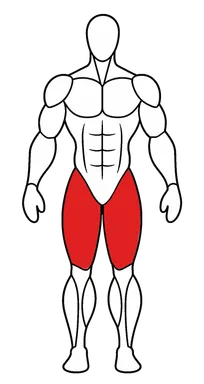 Quads — the prime mover
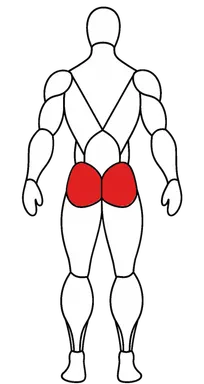 Glutes — hip extension out of the hole
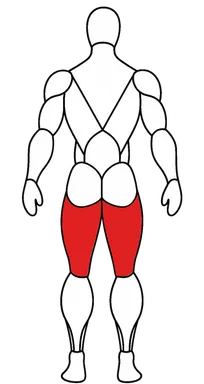 Hamstrings — stabilise knee and hip
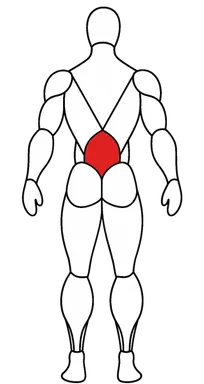 Lower back — holds the torso angle
Setup
Set yourself up before you unrack:
- Set the bar in the rack at about upper-chest height.
- Grip the bar and pull yourself under it, resting it on your upper back (not your neck).
- Brace and stand it up; step back with two or three controlled steps.
- Set your feet about shoulder-width apart, toes turned slightly out.
A solid setup makes the rest of the lift far easier.
- Set the rack pins at mid-chest height, so you step up into the bar rather than down onto it.
- Put the bar on muscle, not bone — across the rear delts, never the neck.
- Grip as narrow as your shoulders allow and pull your elbows under the bar.
- Stand up and take two steps back. Not five.
- Feet about shoulder-width, toes turned out 15 to 30 degrees.
- Big breath into the belly, brace as if bracing for a punch, then descend.
The descent and depth
Brace your core as if about to be punched, then:
- Break at the hips and knees together and sit down and back.
- Keep your chest up and your back neutral.
- Push your knees out in line with your toes.
- Descend until your hip crease is at least level with the top of your knee (parallel) or slightly below, if mobility allows.
Control the descent — do not drop uncontrolled.
- Hips and knees break at the same time — sit down and back
- Knees travel out over the middle of the foot
- The crease of the hip finishes below the top of the knee
- Whole foot stays planted, weight over mid-foot
- Heels lifting, or the weight rolling onto the toes
- Knees collapsing inward as you stand up
- Chest dropping so the bar drifts in front of the mid-foot
- Bouncing out of the bottom to beat the weight
The drive up
From the bottom, drive back up:
- Push through your whole foot, keeping it flat.
- Lead with your chest and hips rising together (do not let your hips shoot up first).
- Keep your knees tracking over your toes.
- Stand tall and brace again before the next rep.
Maintain tension throughout; the bar should travel in a roughly vertical line over mid-foot.
Common squat mistakes
- Knees caving in — push them out in line with your toes.
- Heels rising — keep your whole foot planted; work on ankle mobility.
- Rounding the back — brace harder and keep your chest up.
- Not hitting depth — reduce the weight and reach parallel.
- Hips shooting up first — keep chest and hips rising together.
Fix these with lighter weight and good warm-ups before loading heavy.
| High-bar | Low-bar | |
|---|---|---|
| Bar position | On the traps, upright torso | Across the rear delts, more forward lean |
| Trains hardest | Quads | Hips, glutes, posterior chain |
| Depth | Usually deeper, easier to hit | Slightly shallower for most lifters |
| Best for | General training, most people | Powerlifting, moving the most weight |
| Learning it | Easier, fewer moving parts | Takes coaching and shoulder mobility |
Neither is more correct. Most people should learn high-bar first and only switch if their sport asks for it.
- The squat trains quads, glutes, hamstrings and the whole core.
- Set the bar on your upper back, feet shoulder-width, toes slightly out.
- Brace hard, sit down and back, and reach at least parallel depth.
- Drive through the whole foot with chest and hips rising together.
- Watch for caving knees, rising heels and a rounding back.
Frequently asked questions
How low should I squat?
Aim for at least parallel — hip crease level with the top of the knee — or slightly below if your mobility allows it with a neutral back. Depth ensures you train the legs through a full, effective range.
Are squats bad for your knees?
No. Squatting with good form is safe and actually strengthens the muscles and connective tissue around the knee. Pain usually comes from poor technique, excessive load, or pre-existing issues, not the squat itself.
Why do my heels come up when I squat?
Usually limited ankle mobility or a stance that is too narrow. Work on ankle mobility, widen your stance slightly, and consider weightlifting shoes with a raised heel. Keep your whole foot planted.
Should my knees go past my toes?
It is fine for the knees to travel over the toes, especially in deep squats — this is natural and safe. The old rule against it is a myth. Focus on keeping knees tracking in line with your toes.
Related guides
The Big Three Lifts: Squat, Bench Press and Deadlift
The big three lifts explained: why the squat, bench press and deadlift build full-body strength, what they train, and how to program them.
Beginner · 4 min readDeadlift Form: How to Deadlift Safely and Strongly
How to deadlift with proper form: setup, neutral back, bracing, bar path and lockout, plus the common mistakes that cause back pain.
Beginner · 4 min readCommon Lifting Form Mistakes (and How to Fix Them)
The most common weightlifting form mistakes — ego lifting, half reps, using momentum, poor bracing — and simple fixes to train safely and effectively.
Beginner · 3 min readHow to Build Bigger Legs
How to build bigger legs: training quads, hamstrings and calves, the best leg exercises, why you should not skip leg day, and how to progress.
Intermediate · 3 min read
This guide is general educational information, not medical advice. Train within your ability and consult a qualified professional before starting a new program if you have an injury or health condition.