
Lifting Technique · Beginner · 5 min read
Glute Bridge Form: Muscles Worked, Cues and Progressions
The glute bridge is the first hip-extension pattern most people learn, and the one most people do badly: a heave, a held breath and a sagging lower back. Done properly it is the cleanest way to teach the glutes to extend the hip — and the stepping stone to the barbell hip thrust. Here is what it works, the cues that make it work, and the route from floor to barbell.
On this page
What the glute bridge trains
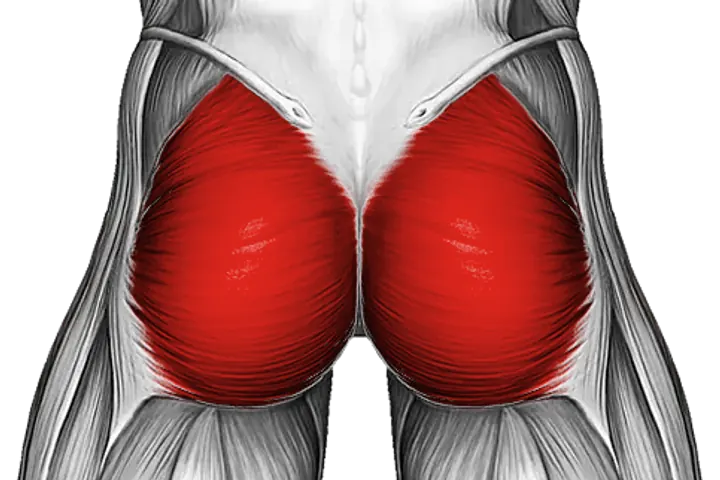
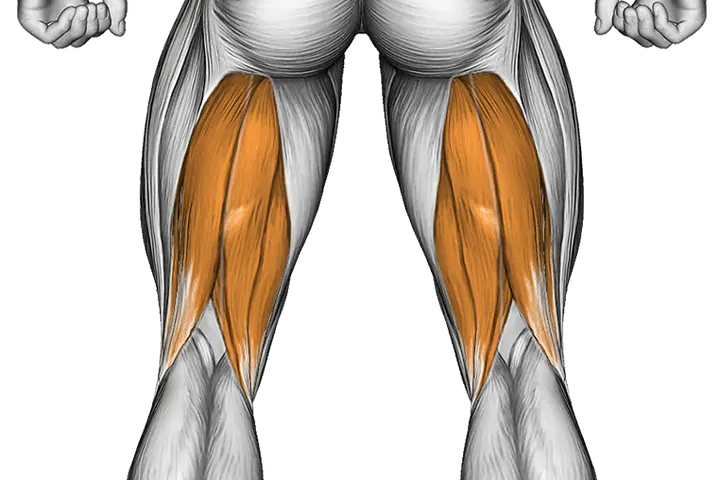
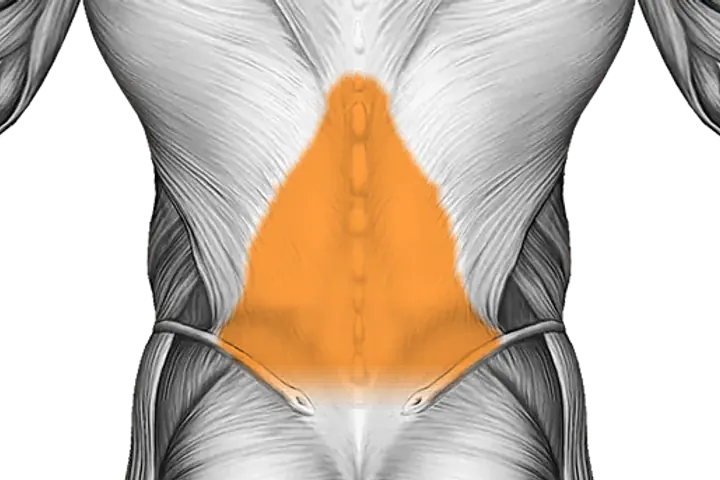
The bridge is hip extension in its simplest form: the pelvis travels from flexed to neutral under glute control, with nothing else moving. That is exactly the top half of a squat, a deadlift and a hip thrust — which is why it transfers.
How to do a glute bridge, step by step
- Lie on your back, knees bent, feet flat and hip-width apart, heels close enough to touch with your fingertips.
- Brace the trunk and tilt the pelvis back so the lower back rests gently on the floor.
- Drive through the heels and squeeze the glutes until the hips are fully open — hips, knees and shoulders in one line.
- Hold the top for a breath, ribs down, glutes clenched — the lower back stays quiet.
- Lower under control, tapping the floor lightly before the next rep.
The cues that make it work
Three cues fix almost every bad bridge:
- Ribs down. If the ribcage flares, the lower back finishes the rep instead of the glutes. Exhale at the top.
- Pelvis first. The small posterior tilt before the lift is what puts the glutes in charge.
- Squeeze, don't push. The top is a glute contraction, not a height contest. Full hip extension is the goal — see full range of motion.
Think of the bridge as a plank that travels: the trunk stays one rigid piece while the hips open and close.
Common mistakes (and what they feel like)
- Exhale as you lock out — ribs stay down
- Feet flat, heels driving into the floor
- The top is one held squeeze, hips fully open
- Lower slowly — the eccentric is half the rep
- Thrusting with the lower back instead of the glutes
- Planting the feet so far forward the hamstrings cramp
- Holding your breath through the whole set
- Bouncing off the floor between reps
The tell is simple: if your lower back aches after bridges, it is doing the glutes' job. Drop the range to where the pelvis stays tucked, rebuild there, then extend.
Progressions: from floor to barbell
- Bodyweight bridge3 × 12–15 clean reps
- Band bridge3 × 12–15
- Single-leg bridge3 × 8–10 per side
- Dumbbell bridge3 × 10–12
- Barbell bridge3 × 8–10
When the barbell version gets serious, the bridge becomes a hip thrust — feet further out, upper back on a bench, more load than you would believe. The hip thrust form guide covers that lift in full; for glute programming around it, see how to build bigger glutes.
How to program glute bridges
As a primer: one or two sets of 10 to 15 before squats and deadlifts, to wake the glutes up. As a builder: two to four sets of 8 to 15, two or three times a week, loaded or single-leg, worked close to failure like any other lift.
Placement matters less than effort. Bridges are small and forgiving — they survive leg day, upper-body day or a home session, which is what makes them such a reliable habit.
- The glute bridge trains hip extension — the top half of every squat, hinge and thrust.
- Tuck the pelvis, drive through the heels and lock out with the glutes, not the lower back.
- The top is a squeeze, not a height contest — ribs down, one held contraction.
- Climb the ladder: bodyweight, band, single-leg, dumbbell, then barbell.
- Use it as a primer before leg day or as a builder two to three times a week.
Frequently asked questions
What is the difference between a glute bridge and a hip thrust?
The bridge is on the floor with the shoulders down; the hip thrust puts the upper back on a bench and lets the hips travel further, which is why it loads much heavier. The bridge teaches the pattern, the hip thrust builds the muscle.
How many glute bridges should I do?
As a primer, one or two sets of 10 to 15. As a builder, two to four hard sets of 8 to 15 two or three times a week. Stop the set when the glutes are close to tired — not when the back starts helping.
Why does my lower back hurt during glute bridges?
The lower back is finishing the rep: the pelvis is not tucked and the ribcage is flared. Reset with a smaller range, exhale at the top and think of the pelvis travelling, not the hips reaching.
Are glute bridges good for beginners?
They are one of the best beginner exercises there is — no equipment, easy to learn, and they teach the hip-extension pattern every big lift needs. Master the bodyweight version before adding load.
Related guides
Hip Thrust Form: How to Build Your Glutes
Hip thrust form guide: step-by-step setup, how to brace and squeeze, common mistakes, and why it is the best glute-building exercise.
Intermediate · 3 min read
How to Build Bigger Glutes
How to build bigger, stronger glutes: the best glute exercises, why hip thrusts and squats matter, ideal volume and progression, and common mistakes.
Intermediate · 3 min read
Squat Form: How to Squat With Proper Technique
How to squat with proper form: setup, bracing, depth, knees and common mistakes. A step-by-step guide to a safe, strong barbell back squat.
Beginner · 5 min read
Full Range of Motion: Why It Matters for Muscle and Strength
Why full range of motion builds more muscle: what research says about the stretched position, when partial reps help, and how to improve depth safely.
Beginner · 5 min read
This guide is general educational information, not medical advice. Train within your ability and consult a qualified professional before starting a new program if you have an injury or health condition.