
Lifting Technique · Beginner · 4 min read
Face Pull: Form, Muscles Worked and Programming
The face pull is the small, boring exercise that keeps shoulders healthy enough for the big ones. Ten minutes a week buys rear-delt strength, scapular control and a counterweight to all the pressing most programs overdo. Here is how to do it properly, and how much is enough.
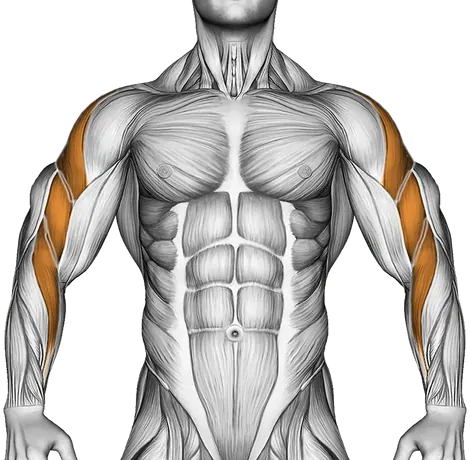 Front
Front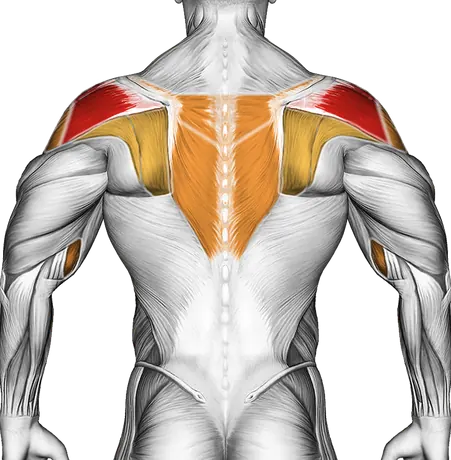 Back
Back- Rear delts100%
- Side delts50%
- Middle traps50%
- Brachialis50%
- Brachioradialis50%
- Lower traps49%
- Rotator cuff29%
On this page
What the face pull trains
Pressing moves the shoulder forward and up. The face pull does the opposite: it pulls the shoulder back and rotates it out, training the small muscles that keep the joint centred while the big ones do their work.
- 15–20 repsper setLight and controlled
- 2–3 setsper sessionAt the end of push or pull days
- 2× / weekenough forShoulder health for most lifters
- 10 minweekly costThe cheapest insurance in the gym
How to do a face pull
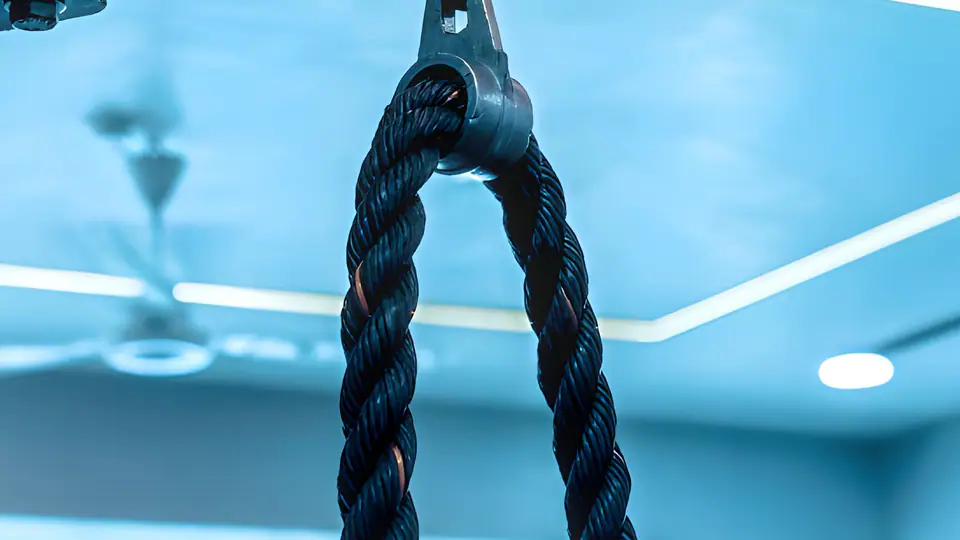
Set a rope attachment at upper-chest height on a cable — a band anchored at the same height works at home. The whole point is a controlled pull to face height with the hands finishing wide.
- Grab the rope with both hands, thumbs pointing back, and step back until the cable is taut.
- Set your stance: soft knees, ribs down, glutes lightly braced.
- Pull the rope towards your forehead, leading with your hands, elbows finishing high and wide.
- Rotate the hands back as you pull — the end position looks like a double biceps pose.
- Pause for a beat with the shoulder blades squeezed, then return slowly under control.
If the shoulders shrug up to the ears, the stack is too heavy. The face pull is a posture exercise wearing a strength exercise's clothes.
How many sets, and where it fits
Face pulls go where they cost nothing: the end of a push day, the end of a pull day, or as a warm-up before pressing. They do not need their own slot and they never need to replace a row.
- On push days — after bench or press work, as insurance for the shoulder.
- On pull days — after rows, to finish the rear delts and scapular retractors.
- As a warm-up — one or two very light sets before any pressing.
- MonPushBench, press, triceps — then 2 × 15 face pulls
- TuePullRows, pull-ups — then 2 × 15 face pulls
- WedRest
- ThuPushIncline press, dips — then 2 × 15 face pulls
- FriPullDeadlift, rows — then 2 × 15 face pulls
- SatRest
- SunRest
Two or three sets of 15–20, twice a week, is enough for most lifters. The reps should be light and clean — the moment the weight turns it into a shrug, the benefit leaves with the form.
Mistakes that ruin it
The face pull fails in predictable ways, and every one of them turns it into a shrug or a row.
- Too much weight — the classic. If the elbows drop and the torso leans back, halve the stack.
- Pulling to the chin instead of the forehead — the hands finish wide, not low.
- No rotation — the external rotation at the end is half the benefit.
- Rushing — the return is where the shoulder earns its keep. Control it.
- Face pulls train the rear delts, rotator cuff and lower traps — the muscles that keep shoulders healthy.
- Pull to forehead height with the hands finishing wide, and rotate back at the end.
- Two or three sets of 15–20, twice a week, is the whole dose.
- The weight is light on purpose — if the shoulders shrug, it is too heavy.
- Put them at the end of push or pull days as the counterweight to pressing.
Frequently asked questions
How many face pulls should I do per week?
For most lifters, 4–6 sets a week — say two sets at the end of two or three sessions — covers shoulder health. The reps are light (15–20) and the point is control, not load.
Face pulls or band pull-aparts?
Both work and they overlap heavily. Face pulls add external rotation and scapular movement; pull-aparts are simpler and easier to do anywhere. Alternate them, or pick whichever you will actually keep doing.
Do face pulls build muscle?
They can add some rear-delt and mid-back size, especially for beginners, but they are not a primary mass builder. Treat them as insurance and posture work; get your size from rows, presses and raises.
When should I do face pulls — before or after bench press?
After works best for most people: one or two light sets before pressing as a warm-up is fine, but the full dose belongs at the end of the session so it never costs strength on the big lifts.
Related guides
Lateral Raise Form: Setup, Execution and Mistakes
How to do the lateral raise properly: the setup, leading with the elbows, tempo and range, the four mistakes that shrink the work, and the variations worth using.
Beginner · 5 min read
Overhead Press Form: How to Press Overhead Safely
How to do the overhead press with proper form: grip, bracing, bar path around the head, and the mistakes that limit your press and strain the shoulders.
Beginner · 3 min read
How to Build Bigger Shoulders
How to build bigger shoulders: train all three delt heads, the best exercises for width, how many sets and reps, and the lateral raise mistakes to avoid.
Intermediate · 4 min read
Shoulder Pain from Lifting: Causes, Fixes and Safe Training
Shoulder pain from lifting explained: what causes it in pressing and pulling, how to train around it, the fixes that help, and when to see a doctor.
Beginner · 4 min read
This guide is general educational information, not medical advice. Train within your ability and consult a qualified professional before starting a new program if you have an injury or health condition.