
Lifting Technique · Beginner · 5 min read
Hammer Curl Form: Muscles Worked, Mistakes and Variations
The hammer curl looks like a bicep curl with worse manners — and it is quietly the better arm exercise for anyone who wants thicker forearms and a stronger grip. The neutral grip pulls the brachialis and the brachioradialis into the work alongside the biceps. Here is the form, the mistakes that waste the set, the variations that earn their place and how to program them.
On this page
What the hammer curl trains
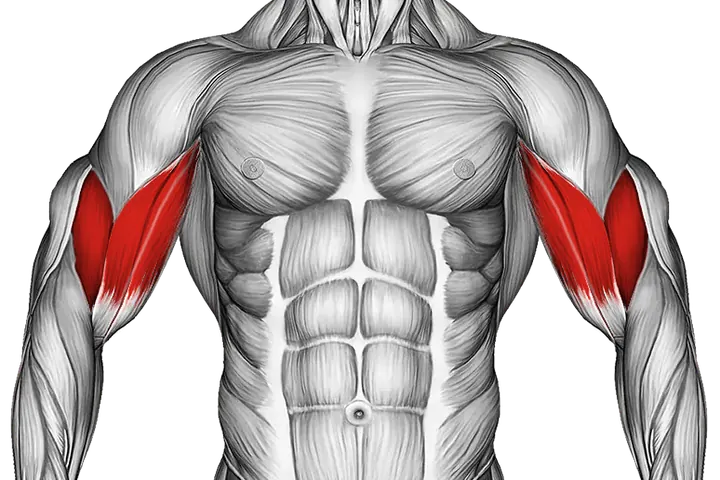
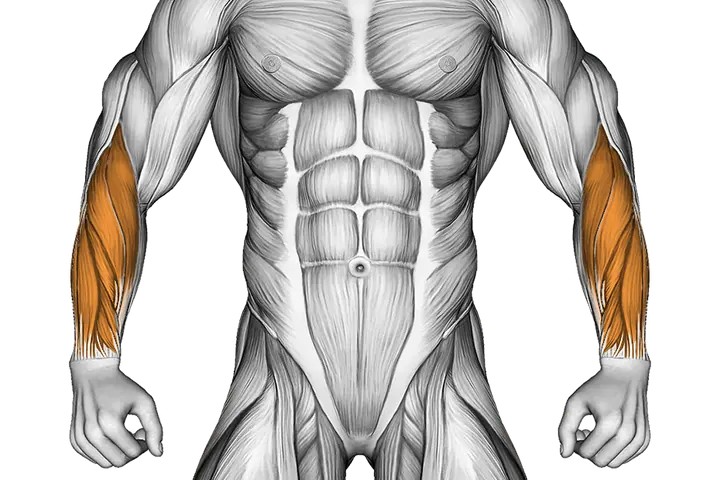
Turning the palm in does something specific: it takes the biceps' supination job away and loads the brachialis — the elbow flexor sitting underneath the biceps — and the brachioradialis across the forearm. Push the brachialis up and it lifts the biceps with it; thicken the forearm and the arm looks bigger from every angle.
How to do a hammer curl, step by step
- Stand tall with a dumbbell in each hand, palms facing your thighs, shoulders back and down.
- Pin the elbows to your sides — they are the hinge, and they stay put.
- Curl both weights up by squeezing the forearms and biceps, keeping the palms facing each other the whole way.
- Stop just short of the shoulders squeezing shut — full elbow flexion, no shoulder swing.
- Lower for two to three seconds, resisting all the way down to the start.
Why the neutral grip is different
Three things separate the hammer from a palms-up curl:
- More brachialis. The muscle that pushes the biceps peak up from underneath. The palms-up curl cannot isolate it as well.
- More forearm. The brachioradialis is a prime mover here, not a bystander — this is the curl that shows up in the forearm.
- Kind to cranky wrists. The neutral position is the wrist's happy place, which is why lifters with wrist or elbow niggles often tolerate hammers when supinated curls hurt.
For forearm-specific work, see how to build bigger forearms; for the whole arm plan, how to get bigger arms.
Mistakes that waste the set
- Elbows glued to the ribs for every rep
- Two to three seconds on the way down
- Both palms facing each other the whole rep
- A weight you can lift without leaning back
- Swinging the torso to start each rep
- Shrugging the shoulders as the weight rises
- Letting the elbows drift forward or wide
- Half reps — dropping before full extension
The swing is the giveaway. If the first six inches of the next rep come from the hips, the set ended a few reps ago — the biceps just have not noticed yet. Drop the weight or shorten the set; strict reps at a lighter load beat loose reps at a heavier one every time.
Variations worth knowing
Four versions earn their place in a rotation:
- Seated hammer curls. The bench takes the swing away. The strictest version, and the best place to start.
- Prone incline hammer curls. Chest down on an incline bench: the arms hang behind the torso and the long head of the biceps gets stretched at the bottom.
- Cross-body hammer curls. Curl across the chest toward the opposite shoulder to shift work toward the outer forearm and the long head.
- Rope cable curls. Constant tension with no dumbbell swing; the rope forces the neutral grip.
Rotate two of these rather than collecting all four — and note the palms-up versions have their own job: see bicep curl form for the supinated family.
How to program hammer curls
- 2–3 × per weekFrequencyDirect arm work recovers fast
- 6–12 hard setsWeekly volumeFor biceps and forearms combined
- 6–15 repsRep rangeHeavy enough to reach failure by the last rep
- 1–3 reps in reserveEffortClose to failure, not past form
Two or three sets at the end of an arm or pull session is plenty for most people; arms are small muscles that recover quickly and do not need marathon sessions. Put them after the pulling compounds — curls first sabotage rows and pull-ups. For where they sit in a whole program, see the arm day workout.
- The neutral grip loads the brachialis and brachioradialis — the muscles that thicken the arm and forearm.
- Elbows pinned, palms facing each other, lower under control — strictness is the whole exercise.
- The swing is the tell: when the hips start the rep, the set is already over.
- Rotate seated, incline, cross-body and rope versions rather than collecting all four.
- Two or three sets after your pulling compounds, two to three times a week.
Frequently asked questions
What muscles do hammer curls work?
The brachialis (under the biceps), the brachioradialis (the forearm) and the biceps themselves. The neutral grip shifts emphasis from the biceps toward the two first muscles, which is why hammers thicken the arm differently.
Are hammer curls better than bicep curls?
Neither is better — they are different. Hammer curls win for forearm size, grip and wrist comfort; palms-up curls win for biceps supination and peak. Most lifters should run both across a training cycle.
How heavy should hammer curls be?
Heavy enough that the last two reps of a set of 8 to 12 are genuinely hard — but light enough that the elbows stay pinned. If the torso swings, the load is a curl for your lower back, not your arms.
How often should I do hammer curls?
Two to three times a week works well — arms recover quickly. A few hard sets per session beats one marathon arm day, and they always come after the pulling compounds.
Related guides
Bicep Curl Form: How to Curl for Bigger Arms
Bicep curl form guide: proper technique, avoiding momentum and swinging, the best curl variations, and how to program curls for arm growth.
Beginner · 3 min read
How to Get Bigger Arms: Biceps and Triceps
How to build bigger arms: why triceps matter most for size, the best biceps and triceps exercises, ideal volume, and how to train arms for growth.
Beginner · 4 min read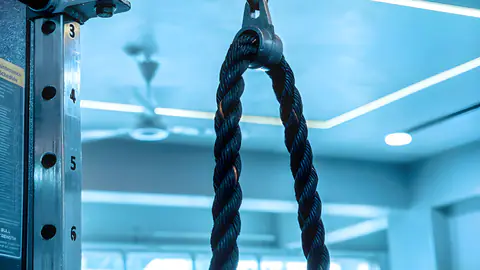
How to Build Bigger Forearms
How to build bigger, stronger forearms: the best exercises, how often to train them, and why grip-heavy lifting already does much of the work.
Intermediate · 3 min read
Arm Day Workout: Biceps and Triceps Routine
An arm day workout for bigger biceps and triceps: the best curl and extension exercises, a complete routine, and how to progress without wrecking your elbows.
Intermediate · 4 min read
This guide is general educational information, not medical advice. Train within your ability and consult a qualified professional before starting a new program if you have an injury or health condition.