
Lifting Technique · Beginner · 5 min read
Lateral Raise Form: Setup, Execution and Mistakes
The lateral raise is the exercise that builds shoulder width — and the one most people do sloppiest. A little too heavy, a little too fast, and the work slides from the side delts into momentum and traps. Done right, it is simple, safe and brutally effective at high reps.
On this page
Why it matters
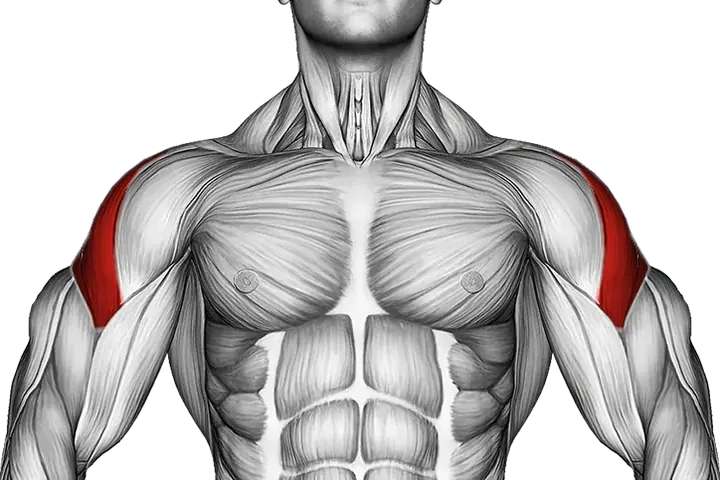
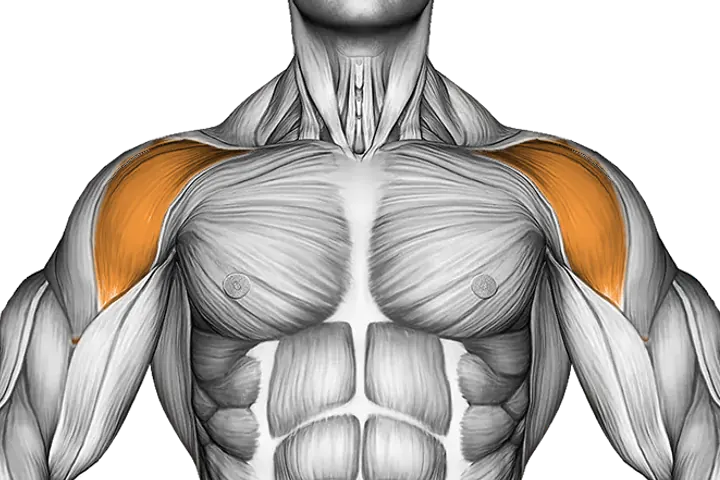
Presses train the front of the shoulder; rows and pulldowns touch the rear. The side delts — the part that makes shoulders look wide — lift the arm out to the side, and almost nothing else in your program does that job. That is why the raise exists, and why form decides everything: a strict raise with a light dumbbell builds side delts; a swinging one builds nothing but noise.
Set up and lift
- Stand tall, a dumbbell in each hand, arms hanging with a soft bend at the elbows.
- Lean forward a few degrees from the hips and pull your shoulders down, away from your ears.
- Raise the weights out to the sides, leading with the elbows, until they reach about shoulder height.
- Keep your little finger level with or slightly above your thumb, as if pouring out a jug.
- Lower slowly — two to three seconds — until the dumbbells are just short of your thighs, and go again.
Pick a weight you can lift for at least twelve strict reps. The last two or three should be a real fight without your hips getting involved. Twelve to twenty reps is the working range; taking the set close to failure matters more than the exact number (see training to failure).
The four mistakes
- Elbows lead, hands follow
- Shoulders stay down away from the ears
- A controlled two to three second lowering
- Range from just short of the thighs to shoulder height
- Swinging the weights up with a hip drive
- Shrugging at the top — the traps take the work
- Bouncing out of the bottom, where the tension is weakest
- Weights so heavy the dumbbells barely leave your sides
The bottom half of the rep is where the raise does its work and where most people throw it away: dropping fast and bouncing out of the stretch turns twelve reps into three. Slow the lowering down and the same dumbbells double in value.
Variations worth using
- Cable raise — the cable keeps tension on the delt at the bottom, where a dumbbell goes slack. The best single choice for many lifters.
- One-arm raise — hold a rack or bench for support and raise with the free hand. Support removes the swing and lets you work closer to failure.
- Machine or lever raise — the same job as the cable with a fixed path. Useful for pushing close to failure safely.
- Seated raise — sitting removes the leg drive entirely; use it when a standing set starts to swing.
Whatever the variation, the rules do not change: elbows lead, no shrug, controlled lowering.
Programming the raise
Three or four sets of twelve to twenty reps, two to four times a week, builds side delts better than one heavy, sloppy day. They recover quickly from isolation work, so spread the sets across your upper days — three sets after pressing on each upper day is the classic.
Progress with reps first: when you own twenty strict reps, add the smallest available weight and build the reps again. For how the raise fits a whole shoulder week, see how to build bigger shoulders.
- Lead with the elbows and raise to about shoulder height.
- Use a weight you control for twelve to twenty strict reps.
- No swinging, no shrugging, and a slow two to three second lowering.
- Cables and machines keep tension at the bottom of the rep.
- Three or four sets, two to four times a week, builds width.
Frequently asked questions
How heavy should the lateral raise be?
Heavy enough that the last two or three reps of twelve to twenty are a real fight, light enough that your hips and traps never join in. Most people go far too heavy on this lift.
Why do I feel lateral raises in my traps?
The weight is too heavy or you are shrugging. Use lighter dumbbells, pull your shoulders down away from your ears, and think about pushing the weights out to the walls rather than up.
Should I raise above shoulder height?
Not by much. Going slightly above can feel fine, but most of the delt work is done by shoulder height and higher raises drift into traps and momentum.
Are lateral raises bad for the shoulders?
Done strict and light they are one of the safest shoulder exercises. Pain usually comes from too much weight, swinging, or raising with a shrugged, pinched posture.
Dumbbells, cables or machines for lateral raises?
All three work. Cables and machines keep tension at the bottom of the rep, dumbbells are available everywhere. Rotate them, or pick whichever lets you be strictest.
Related guides
How to Build Bigger Shoulders
How to build bigger shoulders: train all three delt heads, the best exercises for width, how many sets and reps, and the lateral raise mistakes to avoid.
Intermediate · 4 min read
Overhead Press Form: How to Press Overhead Safely
How to do the overhead press with proper form: grip, bracing, bar path around the head, and the mistakes that limit your press and strain the shoulders.
Beginner · 3 min read
Dumbbell Press Form: Chest and Shoulder Technique
Dumbbell bench press form, flat and incline: how to get heavy dumbbells into position, elbow angle, how deep to go, common mistakes and how to progress.
Beginner · 4 min read
Common Lifting Form Mistakes (and How to Fix Them)
The most common weightlifting form mistakes — ego lifting, half reps, using momentum, poor bracing — and simple fixes to train safely and effectively.
Beginner · 3 min read
This guide is general educational information, not medical advice. Train within your ability and consult a qualified professional before starting a new program if you have an injury or health condition.