
Programs & Splits · Intermediate · 5 min read
Pull Day Workout: Back, Biceps and Rear Delts
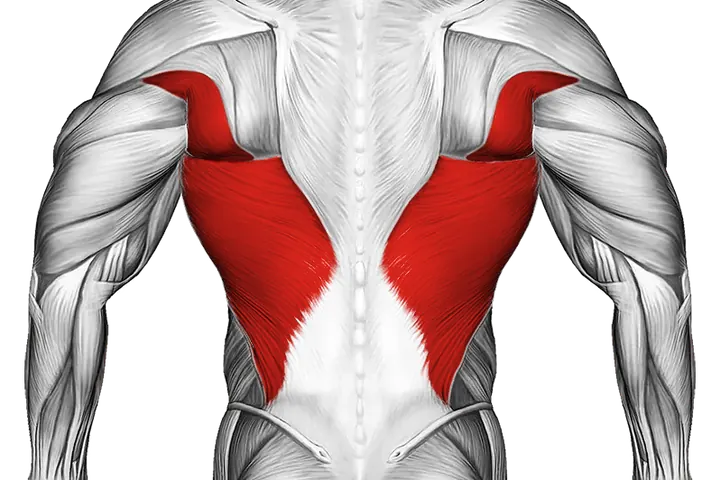
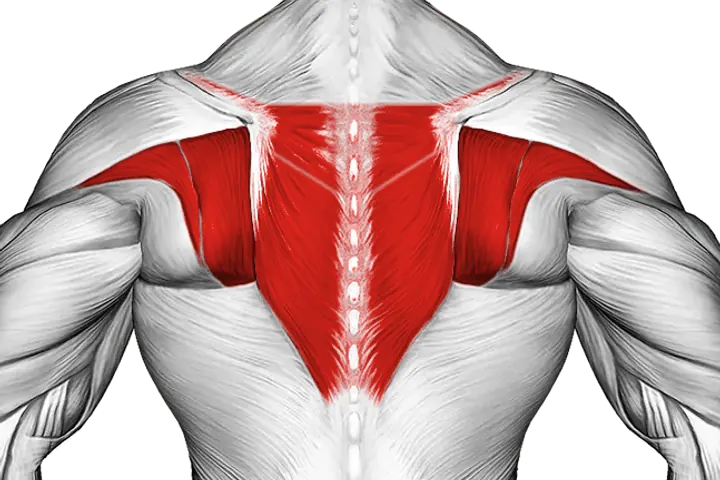
Pull day trains everything that pulls: lats, upper back, rear delts and biceps. It is the session that builds width — the V-taper that makes a physique look strong before you even touch a weight. Here is how to run one properly.

On this page
What a pull day trains
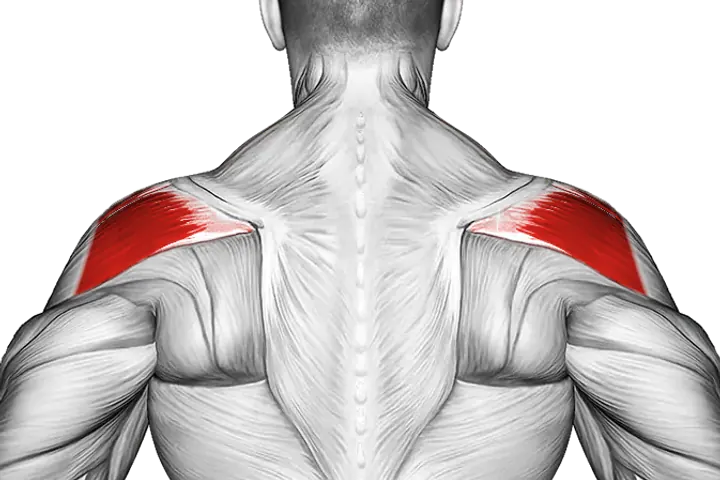
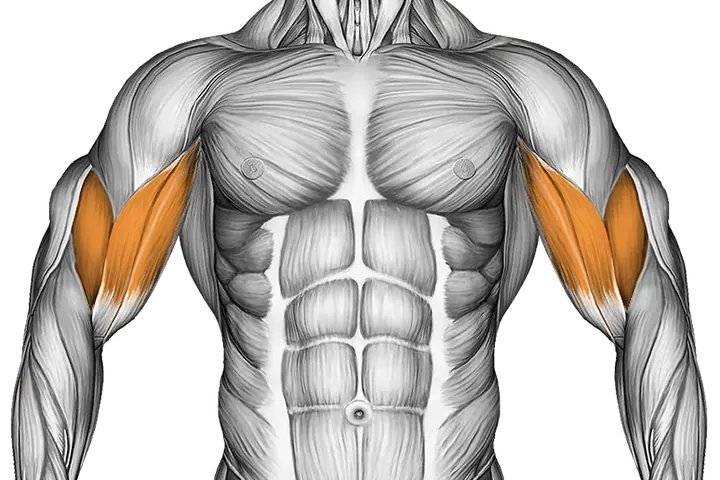
Pulling divides into two directions, and both matter. Vertical pulls (pull-ups, pulldowns) build width; horizontal rows (barbell, cable) build thickness. Train both every pull day, add rear-delt work, and finish with curls — the biceps are already tired from every row and pull-up.
The best pull day exercises
Choose from each slot and rotate variations across weeks:
- Vertical pull — pull-ups, lat pulldown. The width builder. Add weight when bodyweight gets easy.
- Horizontal row — barbell row, seated cable row, chest-supported row. The thickness builder.
- Rear delts — face pulls, reverse flyes. Small muscle, big effect on posture and shoulder health.
- Biceps — barbell or dumbbell curls, hammer curls. One or two sets is usually enough.
- Optional — straight-arm pulldowns, shrugs for traps.
- Pull-ups or pulldown4 sets of 6 to 10
- Barbell row4 sets of 6 to 10
- Seated cable row3 sets of 8 to 12
- Face pull3 sets of 12 to 20
- Barbell curl3 sets of 8 to 12
How to progress it
Rows and pulldowns respond to the same double progression as any lift: own the top of the rep range, then add weight. For pull-ups, add reps first, then a belt or dumbbell between the feet. Track the numbers — back growth is slow and easy to misjudge in the mirror.
- Grip gives out firstStraps or mixed gripDo not let the forearms cap the back
- No width after monthsCheck the vertical pullIt is the only width builder
- Rows hurt the lower backChest-supported rowSame work, no spinal fatigue
- Pull-ups stalled at 5Add a light pulldown afterExtra volume without the bodyweight tax
How often, and recovery
Pull day once a week works; twice works better for most. The back is a big set of muscles and tolerates volume well — most lifters can push 14 to 20 sets per week for lats and upper back before recovery becomes the limit. Elbows and biceps are the usual complaint when curls and rows both get heavy; spread the load and keep the volume climbing slowly.
- Both a vertical pull and a horizontal row every session
- Rowing with the shoulder blades, not just the arms
- Rear delts trained twice a week — face pulls are cheap insurance
- Curls last, one or two sets to finish
- Ten variations of row, no pull-ups
- Cheating every rep with body english
- Ignoring the rear delts and then wondering why the shoulders ache
- Training back the day after heavy deadlifts
Mistakes that cost pull day
The biggest is turning rows into shrugs — the upper back and biceps finish the movement before the lats start if the shoulder blades are not doing the work. The second is skipping vertical pulls entirely: rows build thickness, but width comes from pull-ups and pulldowns. And biceps do not need six curl variations; they have been working since the first rep of the day.
- Dose-response between weekly resistance-training volume and muscle mass (Schoenfeld et al., 2017) J Sports Sci
- Strength and hypertrophy with low vs. high loads: a meta-analysis (Schoenfeld et al., 2017) J Strength Cond Res
- Longer inter-set rest periods enhance strength and hypertrophy (Schoenfeld et al., 2016) J Strength Cond Res
- Pull day trains lats, upper back, rear delts and biceps — both pull directions matter.
- One vertical pull, one horizontal row, rear-delt work and curls is the whole template.
- Rows build thickness; pull-ups and pulldowns build width.
- Progress with double progression; add reps before weight on pull-ups.
- The most common mistake is rowing with the arms instead of the shoulder blades.
Frequently asked questions
What should a pull day include?
A vertical pull (pull-up or pulldown), a horizontal row, a rear-delt exercise like face pulls, and one or two curl variations. That covers the whole back and both arm flexors.
How many sets on pull day?
About 12 to 16 hard sets: 4 on the vertical pull, 3 to 4 on the row, 3 on rear delts and 2 to 3 on curls. The back recovers well and can take more over time.
Should I do pull-ups or pulldowns?
Both work. Pull-ups build grip and trunk control along with the lats; pulldowns are easier to load precisely and to take to failure. Use whichever you will progress on consistently.
Why does my lower back hurt after rows?
Usually a standing barbell row that turns into a lower-back hold. Switch to chest-supported or seated rows, brace harder, and keep the load honest.
Related guides
Push Pull Legs (PPL): The Complete Guide
The Push Pull Legs split explained: how it works, a full 6-day and 3-day PPL routine, who it suits, and how to progress for muscle and strength.
Beginner · 4 min read
How to Build a Wider, Thicker Back
How to build a bigger back: training for width and thickness, the best vertical and horizontal pulling exercises, ideal volume, and common mistakes.
Intermediate · 3 min read
Barbell Row Form: Build a Stronger Back
Barbell row form, step by step: setup, torso angle, bar path, grip, common mistakes, and how to program bent-over rows for a thicker, stronger back.
Intermediate · 4 min read
How to Get Your First Pull-Up
How to get your first pull-up: the exercises that build it, a week-by-week progression with assisted pull-ups and negatives, and how to test and keep improving.
Beginner · 4 min read
This guide is general educational information, not medical advice. Train within your ability and consult a qualified professional before starting a new program if you have an injury or health condition.