
Recovery & Injuries · Beginner · 6 min read
Plantar Fasciitis: Heel Pain, Causes and How to Train Around It
Plantar fasciitis is the most common cause of heel pain: a stubborn irritation of the thick band of tissue under the foot that hurts worst on the first steps out of bed. It drags on because the tissue is load-bearing and never truly rests — and "rest it until it stops hurting" is exactly the plan that turns weeks into months. Here is the version that actually resolves.
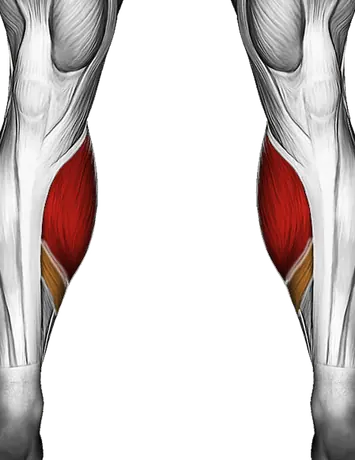 Front
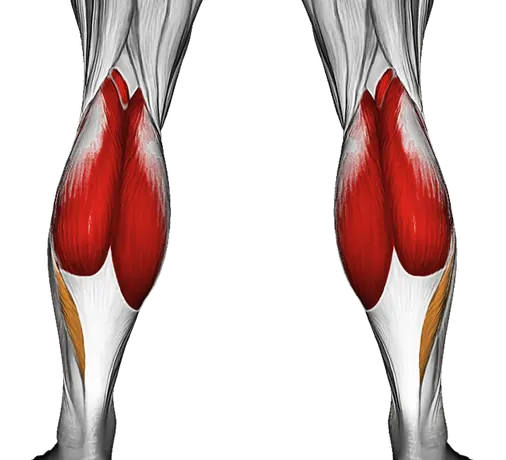 Back
- Gastrocnemius100%
- Soleus49%
On this page
What it actually is
The plantar fascia is a tension band: it holds the arch up and returns energy with every step. It tolerates load remarkably well normally, and complains when the load jumps — more walking, more standing, more running, more bodyweight, flatter shoes.
The morning pain is the giveaway. Overnight the fascia tightens and shortens; the first steps stretch it again and re-irritate the area, so the first minute of every morning is the worst of the day. It settles as the tissue warms up, which is also why people are tempted to simply push through it. It is not a heel spur, and it is not simply "inflammation" — it is an overuse problem in a tissue that never gets a day off.
Why lifters and walkers get it
- Sudden jump in mileage or stepsToo much load, too fastHalve the impact, rebuild over weeks
- Flat, worn or unsupportive shoesThe foot works overtimeSupportive shoes at home and in the gym
- Tight calvesThe fascia absorbs the extra stretchCalf and foot stretches, daily
- Long days on hard floorsConstant low-grade strainCushioned insoles and seated breaks
Lifting itself rarely causes this — barbell work keeps the feet happy. The culprits are usually impact and standing volume: a new running habit, a job that moved onto concrete, a few kilograms gained, a summer in flat sandals. The common thread is a jump in what the foot has to absorb.
Understand that and the fix follows the same shape as every other overuse injury: remove the spike, keep the tissue loading gently, and bring the load back in measured steps. The injury prevention guide covers the wider principle; the foot takes the hit; the schedule sets it up.
What actually helps it heal
- Weeks 1–2Pain settles as impact drops; calf and foot stretches start
- Weeks 2–6Slow, heavy calf loading begins — mild pain during it is fine
- Weeks 6–12Impact returns in small steps; morning pain is the scoreboard
- 3–12 monthsMost cases resolve fully with consistency
The two interventions with the best evidence behind them are stretching and loading:
- Stretch before the first step. Before getting out of bed, pull the toes up toward the shin and hold for half a minute, then stretch the calf against a wall. That first step is what re-irritates the fascia — making it gentler changes the whole day.
- Load the calves slowly. Heavy, slow calf raises — the straight-knee version for the gastrocnemius, bent-knee for the soleus — done several times a week. Tendons and fascia remodel under load; this is the same logic as the tendon pain from lifting guide.
Supportive shoes and cushioned insoles help in the short term, and ice or over-the-counter anti-inflammatories can calm a bad flare — they are relief, not the fix. Night splints and injection-based treatments are options a doctor brings up later, not first steps. Consistency with the boring basics beats every gadget; the mobility and stretching routine fits alongside.
Training around it
- Swap running and jumping for cycling, swimming and the rower for a few weeks
- Keep squatting and deadlifting — heel pain rarely limits barbell work
- Train calves seated and standing, slowly, within tolerable pain
- Wear supportive shoes; skip barefoot work on hard floors
- Train through sharp pain that is worse this week than last
- Buy every "plantar gadget" before committing to loading and stretching
- Stop all leg training until the foot is perfect
- Push speed and mileage the moment the morning pain fades
The barbell work can continue; the impact takes a holiday. Leg day, upper body and most machine work are unaffected — squats and deadlifts load the foot through the midfoot and heel in a controlled way, and most people tolerate them fine. The volume to manage is walking, running and jumping: if steps are part of your day, cushion them rather than chase a number.
Judge progress weekly by one question: is the first-step morning pain getting lighter? That single signal tracks recovery better than any bad hour in the middle of the day.
When to see a doctor
Beyond the warning signs, a physiotherapist or doctor earns their place when progress stalls: they can confirm the diagnosis, check the mechanics upstream (ankle stiffness, hip strength, gait), and fit custom orthotics if the foot structure needs one. Injection treatments and surgery exist but sit far down the list — they are for cases that genuinely do not respond, not shortcuts past the loading work.
Most cases resolve. Not in a week, and not with a single miracle device — but with the same two or three things done consistently while the rest of training continues.
Keeping the streak alive
- Plantar fasciitis is an overuse problem in the foot's tension band — worst on the first morning steps.
- It is set off by load spikes: more steps, harder floors, flatter shoes, extra bodyweight.
- Stretch the foot before the first step and load the calves slowly — that pair has the best evidence.
- Keep lifting; swap impact for cycling, swimming and the rower while it settles.
- See a doctor for numbness, night pain, swelling, or six weeks of no improvement.
Frequently asked questions
What is the fastest way to heal plantar fasciitis?
There is no instant fix, but the fastest reliable route is daily calf and foot stretching, slow heavy calf raises several times a week, supportive shoes, and cutting impact for a few weeks. Most people feel real change within 4–6 weeks.
Should I stop walking with plantar fasciitis?
No — reduce the volume that hurts rather than stopping entirely. Cushioned shoes, shorter walks and seated work breaks keep you moving while the tissue settles; total rest usually makes it stiffer.
Can I lift weights with plantar fasciitis?
Yes. Barbell work rarely aggravates it; squats and deadlifts load the midfoot and heel in a controlled way. Manage walking, running and jumping volume instead, and skip barefoot work on hard floors.
How long does plantar fasciitis take to go away?
With consistent care most cases settle in 6–12 weeks and resolve within 3–12 months. The single best progress marker is the first-step pain in the morning getting lighter week by week.
Related guides
Tendon Pain From Lifting: What to Do First
Tendon pain from lifting: what causes it, how to modify training instead of stopping, a simple pain rule, how to rebuild, and when to see a clinician.
Advanced · 4 min read
Knee Pain from Lifting: Causes, Fixes and When to See a Doctor
Knee pain from lifting explained: what causes it in squats and leg work, how to load around it, the fixes that help, and the signs that need a doctor.
Beginner · 4 min read
Injury Prevention for Lifters: Train Hard, Stay Healthy
How to prevent lifting injuries: smart load management, good technique, warming up, recovery, and knowing the difference between soreness and real pain.
Beginner · 3 min read
Mobility and Stretching for Lifters
Mobility vs flexibility, whether stretching prevents injury, dynamic vs static stretching, and a simple mobility routine to lift better and move well.
Beginner · 3 min read
This guide is general educational information, not medical advice. Train within your ability and consult a qualified professional before starting a new program if you have an injury or health condition.