
Programs & Splits · Intermediate · 4 min read
Back Day Workout: Best Exercises and Routine
Back day is where the physique is actually built — width from above, thickness from behind. It is also the easiest session to turn into junk volume. Here is a back day with the right exercises in the right order.

On this page
What back day trains
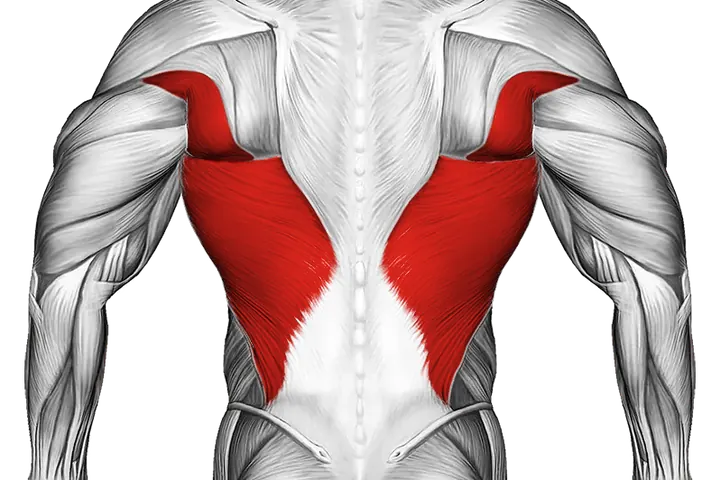
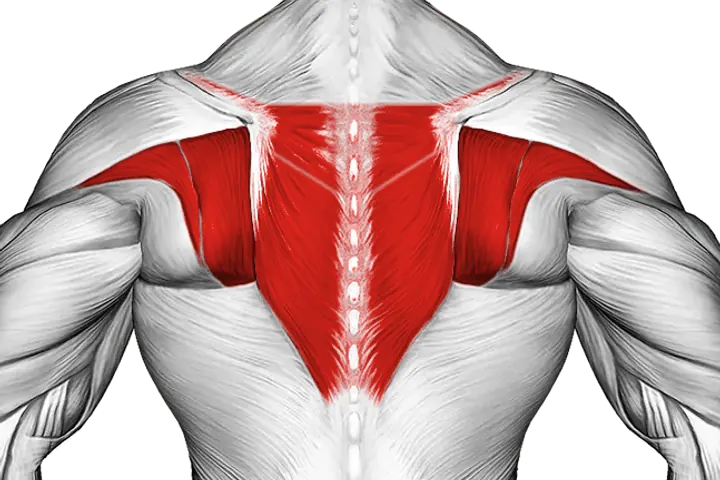
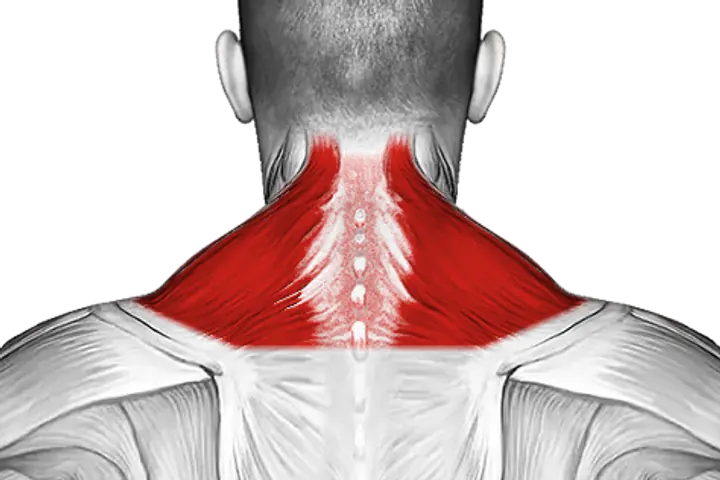
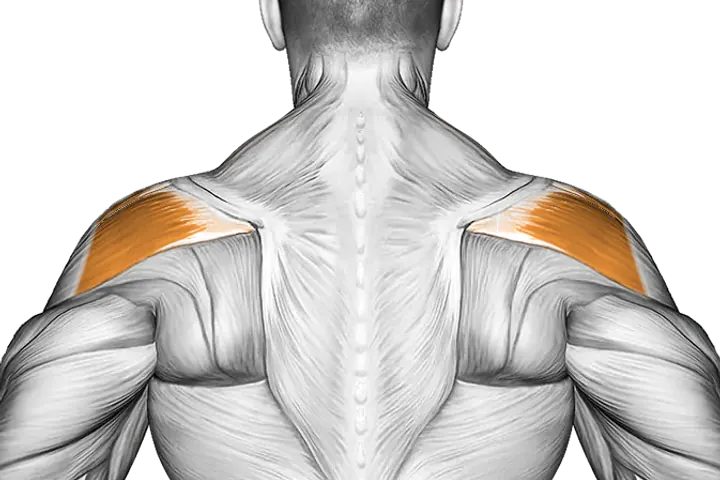
The back is several muscles with different jobs. The lats pull the arm down and back — vertical pulls and pulldowns. The mid-back and traps retract the shoulder blades — rows. The rear delts extend the shoulder behind you. Train all three and the back grows in every direction.
The best back exercises
- Pull-ups — the king of back width. Add weight when you can do 8 clean reps.
- Barbell row — the mass builder for thickness. Heavy, 6 to 10 reps.
- Lat pulldown — the pulldown pattern with precise loading, great for drop sets.
- Seated cable row — a squeeze-focused row that is easy on the lower back.
- Straight-arm pulldown and face pulls — lat isolation and rear-delt insurance.
- Pull-ups4 sets of 6 to 10
- Barbell row4 sets of 6 to 10
- Lat pulldown3 sets of 8 to 12
- Seated cable row3 sets of 10 to 12
- Face pull3 sets of 12 to 20
How to progress it
Back work responds to load and reps like everything else — the trick is not cheating them away. Add reps before weight on pull-ups; add small plates to rows and pulldowns. If grip is the bottleneck, straps are a tool, not a cheat — the back should fail before the forearms do.
- Biceps give out firstFix the pullLead with the elbow, squeeze the blades
- All rows, no vertical pullsAdd pull-ups or pulldownsWidth needs the vertical pattern
- Lower back limits rowsChest-supported or seated rowsSame work, less spinal cost
- Stuck at the same reps for weeksAdd a set or a slower negativeSee training volume
How often, and mistakes
Back can be trained twice a week comfortably — it recovers fast and needs volume. The classic mistakes: rowing with the biceps, pulling with a rounded upper back, and programming back the day after deadlifts so the lower back never recovers.
- A vertical pull and a horizontal row every session
- Shoulder blades leading every pull
- 14 to 18 hard sets, progressed slowly
- Rear delts included — they finish the back look
- Eight row variations, no pull-ups
- Half-rep pulldowns with the whole stack
- Training back right after heavy deadlifts
- Letting grip cap every set
- Dose-response between weekly resistance-training volume and muscle mass (Schoenfeld et al., 2017) J Sports Sci
- Strength and hypertrophy with low vs. high loads: a meta-analysis (Schoenfeld et al., 2017) J Strength Cond Res
- Longer inter-set rest periods enhance strength and hypertrophy (Schoenfeld et al., 2016) J Strength Cond Res
- Back day pairs a vertical pull with a horizontal row, then adds lat and rear-delt work.
- Pull-ups and pulldowns build width; rows build thickness.
- Let the shoulder blades lead every pull — the arms are only cables.
- Back tolerates volume: 14 to 18 hard sets, twice a week, progressed slowly.
- The classic mistakes are all-arm rows and stacking back on top of heavy deadlifts.
Frequently asked questions
What is the best back day routine?
Pull-ups for 4 sets, barbell rows for 4, lat pulldowns for 3, seated cable rows for 3, and face pulls for 3. That covers width, thickness and rear delts in about an hour.
How often should I train back?
Twice a week works well for most lifters. The back recovers quickly and benefits from more frequent exposure than a single brutal session.
Are pull-ups or rows better for back width?
Pull-ups and pulldowns are the width builders because they train the lats through their full range. Rows are for thickness. Do both — a back with only one is half-built.
Should I use lifting straps on back day?
If grip limits your rows or pulldowns before the back does, yes. Straps let the target muscle fail first. Keep some sets strap-free to maintain grip strength.
Related guides
How to Build a Wider, Thicker Back
How to build a bigger back: training for width and thickness, the best vertical and horizontal pulling exercises, ideal volume, and common mistakes.
Intermediate · 3 min read
Pull-Ups and Rows: How to Build a Strong Back
How to do pull-ups and rows with proper form: grip, scapular control, full range of motion, and the mistakes that turn back exercises into arm exercises.
Beginner · 4 min read
Barbell Row Form: Build a Stronger Back
Barbell row form, step by step: setup, torso angle, bar path, grip, common mistakes, and how to program bent-over rows for a thicker, stronger back.
Intermediate · 4 min read
How to Get Your First Pull-Up
How to get your first pull-up: the exercises that build it, a week-by-week progression with assisted pull-ups and negatives, and how to test and keep improving.
Beginner · 4 min read
This guide is general educational information, not medical advice. Train within your ability and consult a qualified professional before starting a new program if you have an injury or health condition.